Decorative Artwork Art for Graphics and Print Templates
As a designer working on real client projects, I always look for high-quality graphic design assets that can elevate the visual appeal of a brand without compromising clarity or professionalism. Decorative Artwork Art is one such digital product that offers a unique blend of art deco, modernism, and vintage aesthetics. Its versatility makes it a valuable addition to any creative design toolkit, especially when working on print templates, branding, or editorial projects.
The First Impression: Aesthetic and Mood
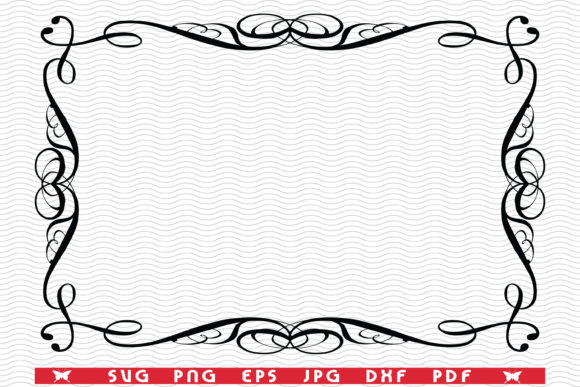
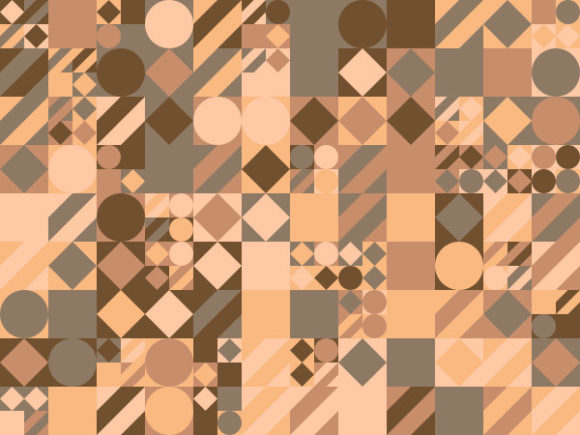
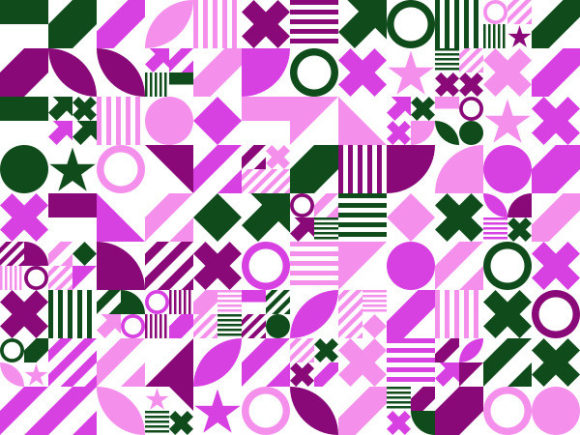
When I first opened the file, I was struck by the rich textures and intricate patterns that seem to bridge multiple design eras. The artwork feels timeless, combining elements of art deco with a modern edge. It’s not overly complex, but it carries enough detail to add visual interest without overwhelming the viewer. This makes it ideal for projects that need a touch of sophistication or a nostalgic flair.
The color palette is warm and inviting, with a mix of muted tones and bold accents that feel balanced. It’s the kind of design that can set the tone for a handmade business, a seasonal campaign, or a boutique product line. Whether used as a background element or as part of a larger composition, it adds a layer of visual storytelling that resonates with a wide audience.
Real-World Applications in Design Projects
Decorative Artwork Art shines in a variety of creative design scenarios. For logo design, it can serve as a subtle backdrop that complements a clean, modern typeface. In brand identity work, it helps create a cohesive aesthetic that feels both professional and artistic. For product labels and packaging design, it adds an extra dimension that makes a product stand out on the shelf.
It also works well in social media graphics, where the right balance of style and readability is essential. When used in posters, flyers, or invitations, it brings a sense of elegance that can elevate the overall presentation. As a Canva template or Cricut project, it provides a solid foundation for custom designs that feel unique yet polished.
In t-shirt design, mug art, or tote bag graphics, the asset’s scalability ensures it looks sharp at any size. Its SVG format allows for easy editing, making it adaptable to different layouts and color schemes. For print-on-demand sellers, this level of flexibility is invaluable, as it reduces the need for custom illustrations while maintaining a high standard of quality.
Where Decorative Artwork Art Excels
This design asset thrives in large layout areas, where its intricate details can be fully appreciated. It’s perfect for hero graphics, product mockups, or themed collections that require a consistent visual language. As a decorative accent, it adds depth and character to otherwise simple designs, making it ideal for printable wall art or editorial spreads.
It also performs well in campaign visuals, packaging details, and commercial design assets. Its timeless appeal makes it suitable for both seasonal promotions and long-term branding efforts. For small business branding, it can help establish a strong visual identity that feels authentic and engaging.
Where to Use It Carefully
While Decorative Artwork Art is visually compelling, it’s important to use it thoughtfully. In small sizes, the details may become lost, so it’s best suited for larger formats. In crowded layouts, it can compete with other design elements, so careful placement is key. On complex backgrounds or low-contrast designs, it may not stand out as intended.
For minimalist branding or professional corporate materials, it might feel too ornate. If the goal is a clean, straightforward look, this asset could detract from the intended simplicity. Similarly, in projects that require a strong visual hierarchy, it should be used sparingly to avoid overwhelming the viewer.
Impact on Readability and Brand Consistency
One of the most important considerations when using any graphic design asset is how it affects readability and brand consistency. Decorative Artwork Art, while beautiful, needs to be placed with care. It should never interfere with the primary message or call to action. Instead, it should support the overall design narrative and reinforce the brand’s identity.
When used correctly, it enhances emotional appeal and audience engagement. Its visual richness can evoke a sense of luxury, nostalgia, or creativity, depending on the context. For small business owners or Etsy sellers, this can make a significant difference in how their products are perceived and received.
Practical Designer Notes
Before finalizing any design that includes Decorative Artwork Art, I recommend testing it in black and white to see how it holds up without color. Check contrast on light and dark backgrounds to ensure visibility. Preview it at various sizes to confirm it remains legible and impactful.
Place it on real mockups to see how it integrates with other design elements. Test print quality to ensure it translates well to physical media. Review the file formats—SVG for scalable editing, PNG for transparency if needed. Compare it with different font styles to find the best pairing for your project.
Lastly, always confirm the commercial license before using it for a client or business project. This ensures you’re compliant and avoids any potential legal issues down the line.
Conclusion: A Valuable Addition to Your Design Toolkit
Decorative Artwork Art is more than just a pretty design—it’s a versatile tool that can enhance a wide range of creative projects. From print templates to digital ads, it offers a unique blend of style and functionality that can elevate the overall quality of a design. Whether you're working on a handmade business, a seasonal campaign, or a small business branding effort, this asset has the potential to make a meaningful impact.