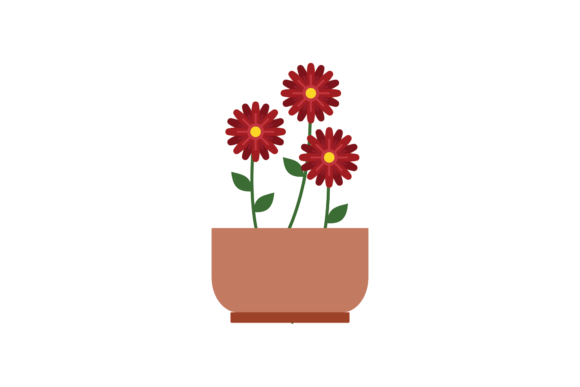
Decorative Beauty Flower: Graphics and Icons for Creative Design
As a graphic designer with years of experience in branding, packaging, and digital marketing, I’ve come across countless design assets. Decorative Beauty Flower stands out as a versatile and visually appealing graphic that can elevate a wide range of projects. This flower design offers a blend of elegance and creativity, making it ideal for small businesses, handmade brands, and seasonal campaigns.
The First Impression: Aesthetic and Mood
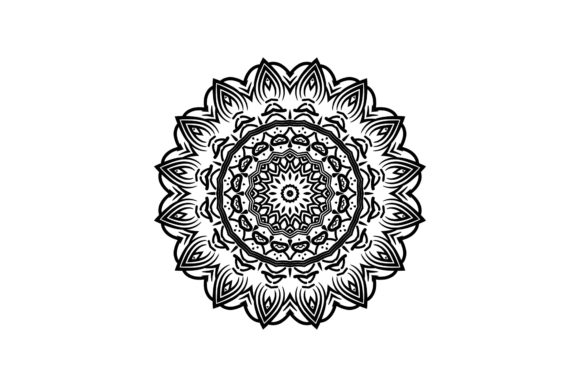
From the moment I saw Decorative Beauty Flower, I was struck by its soft curves, intricate details, and floral symmetry. The design evokes a sense of natural beauty and sophistication, perfect for projects that aim to convey warmth, femininity, or organic appeal. It’s a strong visual element that can set the tone for a brand or campaign without overpowering other design components.
This graphic is especially suited for creative design projects that require a touch of artistry. Whether it’s for a wedding invitation, a boutique product label, or a social media post, Decorative Beauty Flower adds a refined aesthetic that feels both modern and timeless.
Real-World Applications for Designers
When working on real client projects, I often look for design assets that are flexible and easy to integrate. Decorative Beauty Flower fits into this category perfectly. It works well in logo design, where it can serve as a subtle emblem or a central motif. In brand identity, it can be used as a recurring visual element to reinforce a cohesive look and feel.
For product labels and packaging design, this asset provides a decorative yet professional touch. It can be scaled up for large layout areas like posters, flyers, and invitations, or used as a decorative accent in smaller designs such as stickers, t-shirt designs, and mug graphics.
In digital spaces, Decorative Beauty Flower enhances web design, blog visuals, and editorial layouts. It’s also a great addition to Canva templates, Cricut projects, and printable wall art, offering endless possibilities for creative expression.
Where Decorative Beauty Flower Shines
This design excels in several key areas. It’s ideal for large layout areas where it can act as a hero graphic or background element. In product mockups, it adds an artistic flair that catches the eye. For themed collections, it helps create a unified visual language that resonates with the target audience.
It’s also effective in campaign visuals, packaging details, and printable designs. Whether you're creating social media posts, Instagram stories, or Pinterest pins, Decorative Beauty Flower brings a level of polish that makes your work stand out.
Where to Use with Caution
While Decorative Beauty Flower is a powerful tool, it’s not suitable for every project. In small sizes, the intricate details may become lost, making the design less effective. When placed in crowded layouts or complex backgrounds, it can clash with other elements and disrupt the visual hierarchy.
For minimalist branding or professional corporate materials, this design might feel too ornate. It’s important to consider the overall style and message of the project before incorporating it. If the goal is clean, straightforward communication, Decorative Beauty Flower may not be the best choice.
Impact on Readability and Brand Consistency
One of the key considerations when using any graphic design asset is how it affects readability and brand consistency. Decorative Beauty Flower maintains a balance between visual appeal and clarity. It doesn’t distract from text or other design elements but rather complements them.
When used in marketing visuals or editorial design, it contributes to a stronger emotional appeal and audience engagement. It helps build trust and recognition, which are essential for small business branding and Etsy products. However, it’s crucial to test it in different contexts to ensure it aligns with the brand’s voice and goals.
Practical Designer Notes
Before finalizing any design, I always conduct a series of tests. For Decorative Beauty Flower, I recommend previewing it in black and white to see how it holds up without color. Check contrast on both light and dark backgrounds to ensure visibility. Test it at various sizes to confirm that it remains clear and detailed.
Place it on real mockups to see how it interacts with other design elements. If it’s intended for print, review the print quality and check file formats for compatibility. If transparency is involved, inspect PNG design files to ensure they meet your needs.
For SVG design or vector-based projects, verify editability to make sure you can customize the design as needed. Compare it with different font styles—serif, sans serif, script, and display—to find the best match for your project. Always confirm commercial licensing before using it for a client or business project.
Final Thoughts: A Valuable Addition to Your Design Toolkit
Decorative Beauty Flower is more than just a pretty image—it’s a functional design asset that can enhance a wide range of creative projects. Its versatility, high-quality file formats, and elegant style make it a valuable addition to any designer’s toolkit.
Whether you’re working on a handmade business, a seasonal campaign, or a digital ad, this graphic can help elevate your work and deliver a more polished result. By understanding its strengths and limitations, you can use it effectively and confidently in your next client project.