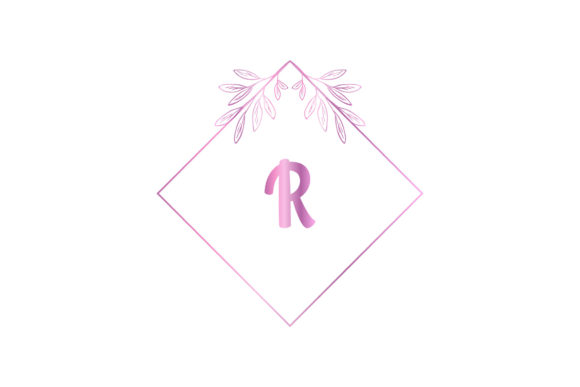
Decorative Monogram Typography for Graphics and Crafts
As a blog designer and digital publisher, I’ve seen countless graphic design assets come and go. But Decorative Monogram Typography stands out as a versatile and visually striking addition to any creative toolkit. This design is ideal for blogs, editorial projects, and content publishing where visual appeal and brand identity matter.
The First Impression: Aesthetic and Mood
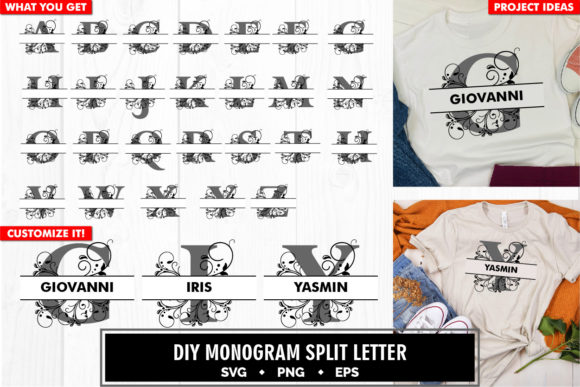
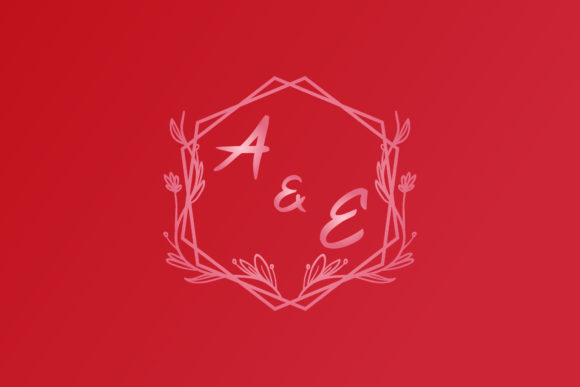
Upon first glance, Decorative Monogram Typography exudes a sense of elegance and sophistication. Its intricate details and artistic flair make it perfect for content that aims to evoke a lifestyle or artisanal vibe. Whether you're designing for fashion, home decor, or personal branding, this asset offers a refined aesthetic that feels both modern and timeless.
It leans toward a feminine and artistic mood, making it an excellent choice for niches like fashion, wedding planning, or handmade crafts. However, its versatility allows it to adapt to other styles, depending on how it's paired with other elements in your design workflow.
Real-World Applications for Content Publishers
Decorative Monogram Typography can be used across a wide range of publishing needs. From blog featured images to Pinterest pins, this design asset adds a touch of class that elevates the overall look of your content. It’s particularly effective when used as a header for articles, website banners, or social media graphics.
For content creators, this design works well as a lead magnet or downloadable printable. Imagine using it as a cover for an eBook or a digital guide—its decorative nature makes it instantly recognizable and visually appealing. It also pairs well with Canva templates, allowing users to customize it quickly without losing its original charm.
In affiliate marketing, this asset can serve as a visual anchor for product reviews or sponsored posts. Its clean lines and bold presence help draw attention, making it a strong tool for content marketing campaigns that rely on visual hierarchy and brand identity.
Boosting Content Performance with Visual Hierarchy
One of the most valuable aspects of Decorative Monogram Typography is its ability to enhance visual hierarchy. When used effectively, it helps guide readers through content, making it easier for them to navigate and engage with your material. This is especially important for blog graphics and article headers, where clarity and impact are key.
By incorporating this design into your editorial layout, you create a more cohesive and professional-looking website. It supports stronger click-through potential by making your content stand out in search results and social media feeds. Readers are more likely to trust and engage with content that looks polished and well-designed.
This asset also helps build brand recognition. Consistent use of a unique typography style across your website, newsletters, and social media posts reinforces your brand identity, making it more memorable to your audience.
Where Decorative Monogram Typography Shines
This design excels in high-impact areas such as hero images, article thumbnails, and Pinterest pins. Its decorative nature makes it ideal for eye-catching visuals that attract attention and encourage clicks. It also works well as an editorial accent, adding a touch of personality to your content without overwhelming the reader.
For downloadable resources like worksheets, printables, or digital guides, Decorative Monogram Typography can be used as a background or header element. It adds a level of creativity and professionalism that makes your digital products more appealing to buyers.
When used in newsletter headers or social media previews, this design helps maintain a consistent visual theme that aligns with your brand. It’s also a great option for media kits, where a strong visual identity is essential for attracting partnerships and collaborations.
When to Use It Carefully
While Decorative Monogram Typography is a powerful design asset, it’s not suitable for every situation. On small mobile thumbnails, the intricate details may become lost, making it less effective. In text-heavy blog images, it can distract from the main message rather than support it.
It’s best to avoid using this design on low-contrast backgrounds or in busy layouts where it might clash with other elements. For serious professional niches or corporate content, a more minimal design may be more appropriate. If your website relies on a very clean and simple visual system, this asset could feel out of place.
Publisher Notes: Testing and Optimization
Before finalizing your use of Decorative Monogram Typography, it’s important to test it thoroughly. Preview it on both desktop and mobile screens to ensure it looks good at all sizes. Check how it appears as a thumbnail, and make sure it maintains its clarity and impact.
Place it within a real blog layout to see how it interacts with other design elements. Test it with headline text to ensure readability, and check contrast and legibility in different lighting conditions. Try it in black and white to see if it still holds up without color.
Experiment with different font pairings—place it beside serif, sans serif, script, handwritten, and display fonts to see how it complements each style. Review the file size for web performance, and compress images properly to maintain fast loading times.
Finally, always confirm the commercial licensing before using this design on monetized websites, affiliate pages, or paid content products. Make sure it aligns with your brand’s guidelines and the expectations of your audience.
Final Thoughts: A Versatile Graphic Design Asset
Decorative Monogram Typography is a valuable addition to any content creator’s toolkit. Whether you’re designing for a blog, a digital product, or a social media campaign, this asset offers a balance of beauty and functionality that enhances your editorial design and web design efforts.
Its applications span across multiple platforms, from blog graphics to social media graphics, making it a flexible choice for publishers looking to elevate their visual content. With proper testing and thoughtful placement, this design can significantly improve the quality and effectiveness of your content marketing strategy.