Fall Decorative Elements: Graphics and Crafts for Local Business
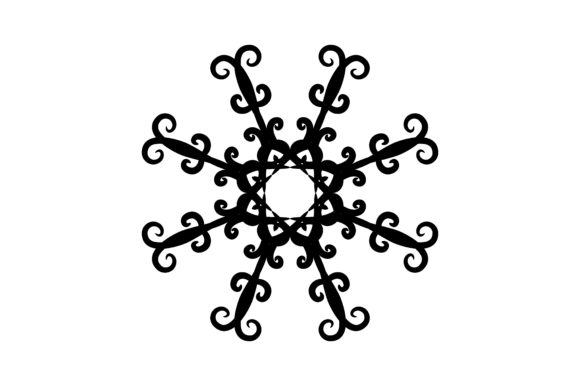
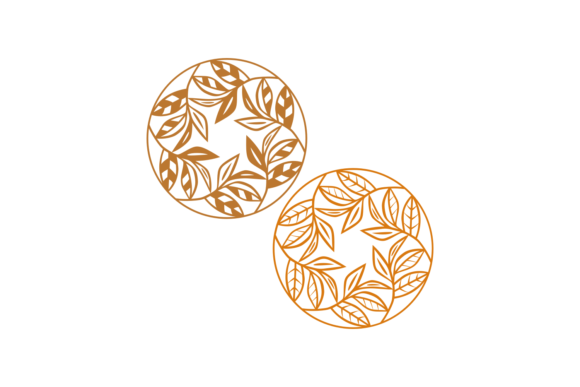
As a brand designer, I recently came across the Fall Decorative Elements graphic design asset, and it immediately caught my attention. This SVG vector cutting file offers a versatile set of designs that can elevate the visual identity of small businesses, especially those in the crafts and handmade sectors. From a first glance, the elements exude a warm, seasonal vibe that feels both festive and professional. The style is rustic yet refined, making it ideal for brands that want to convey a sense of comfort, creativity, and authenticity.
What Mood Does Fall Decorative Elements Create?
Fall Decorative Elements carries a cozy, inviting energy that aligns well with the aesthetics of local businesses such as bakeries, coffee shops, and boutique stores. The designs suggest a brand personality that’s friendly, approachable, and rooted in tradition. Whether used in product labels or promotional materials, these elements can help create a cohesive visual language that resonates with customers looking for quality and craftsmanship.
The decorative elements have a slightly handmade feel, which makes them perfect for small business branding that values uniqueness and personal touch. They also carry a sense of elegance that can work well for more upscale artisanal products, like handmade soaps, candles, or skincare items. The balance between organic shapes and clean lines ensures they don’t feel overly cluttered, making them adaptable for various brand styles.
How Can Fall Decorative Elements Be Used in Real Business Design?
From a practical standpoint, Fall Decorative Elements can be applied in numerous ways to support a local business's branding and marketing efforts. For instance, in logo design, these elements can serve as subtle accents that reinforce the seasonal theme without overpowering the main brand mark. In packaging design, they can act as decorative flourishes on product boxes, hang tags, or gift wraps, adding a polished look that stands out on shelves.
These elements are also great for product labels, where they can add visual interest without distracting from essential information. When used in social media graphics, they can enhance the aesthetic of posts, stories, and ads, helping to build a stronger visual identity across digital platforms. In web design, they can be incorporated into banners, buttons, or background textures to create a more engaging user experience.
For small business branding, Fall Decorative Elements can help establish a consistent visual hierarchy. By using these elements strategically, businesses can ensure their messaging is clear, their branding is memorable, and their overall presentation feels professional. This is especially important for handmade or local businesses that rely on visual appeal to differentiate themselves from larger competitors.
Supporting Business Presentation with Fall Decorative Elements
One of the key benefits of using Fall Decorative Elements is how it enhances the overall presentation of a business. A strong first impression is crucial in today’s competitive market, and these elements can help create a more compelling visual story. Whether used in product mockups, printable inserts, or promotional ads, they contribute to a more cohesive and visually appealing brand identity.
When integrated into product packaging, Fall Decorative Elements can increase product recognition and customer trust. A well-designed package not only looks better but also communicates quality and care. These elements can also improve shelf appeal by adding a touch of sophistication that draws attention and encourages purchases.
Additionally, they can foster a stronger emotional connection with customers. Seasonal designs like these often evoke nostalgia and warmth, which can be powerful tools in building brand loyalty. For businesses looking to create a lasting impression, these elements offer a simple yet effective way to enhance their visual storytelling.
Where Fall Decorative Elements Work Best
Fall Decorative Elements shine when used in areas that benefit from visual flair without compromising clarity. Product labels, for example, can use these elements to add a decorative touch that complements the brand’s message. Packaging accents, such as stickers or corner seals, can also benefit from the intricate details of these designs, making the product feel more premium and thoughtfully crafted.
Hero graphics on websites or social media campaigns can leverage these elements to create eye-catching visuals that reflect the season. Promotional banners, thank-you cards, and seasonal packaging all offer opportunities to showcase the versatility of this graphic design asset. For boutique stores or home decor shops, these elements can enhance the overall aesthetic of in-store displays and online listings.
Where to Use Fall Decorative Elements Carefully
While Fall Decorative Elements are highly versatile, there are situations where they should be used with caution. In formal corporate branding, where simplicity and professionalism are key, these elements might feel too ornate or informal. Similarly, very small labels or crowded product packaging could make the designs appear cluttered or hard to read.
In layouts that include a lot of text, such as ingredient lists or legal information, the decorative elements may compete with essential content. Low-contrast backgrounds can also cause the designs to blend in rather than stand out. For luxury minimalist brands, where less is more, these elements might not align with the desired aesthetic.
It’s also important to test these elements in different contexts before finalizing their use. Ensuring they work well with brand colors, fonts, and other design assets is crucial for maintaining a cohesive look across all marketing materials.
Practical Brand Designer Notes on Fall Decorative Elements
Before incorporating Fall Decorative Elements into a project, I always recommend testing them on real packaging mockups to see how they translate in physical form. Checking black and white usage is also important, as some designs may lose their impact when printed in monochrome.
Previewing the elements on small labels or alongside different font styles—such as serif, sans serif, script, or handwritten fonts—can help determine their effectiveness in various applications. It’s also wise to review the PNG transparency and inspect the SVG or vector editability to ensure flexibility in future design changes.
Finally, confirming the commercial license is essential, especially if the asset will be used for client work, business branding, or physical product sales. Making sure the design is suitable for the intended use case helps avoid any potential issues down the line.
Fall Decorative Elements offer a valuable addition to any creative marketplace or design asset library. Whether used for small business branding, product labeling, or seasonal promotions, these elements can help businesses create a more engaging and professional visual presence. With careful consideration and thoughtful application, they can become a key part of a brand’s identity and marketing strategy.