Kitchen Sweet Kitchen
As an experienced designer and embroidery product reviewer, I often find myself evaluating new designs with a critical eye—especially when they’re meant for real-world use. The Kitchen Sweet Kitchen design caught my attention not just for its aesthetic appeal, but for how it might translate into practical embroidery projects. Let’s dive into what this illustration offers and where it truly shines.
The First Impression: A Warm, Cozy Vibe
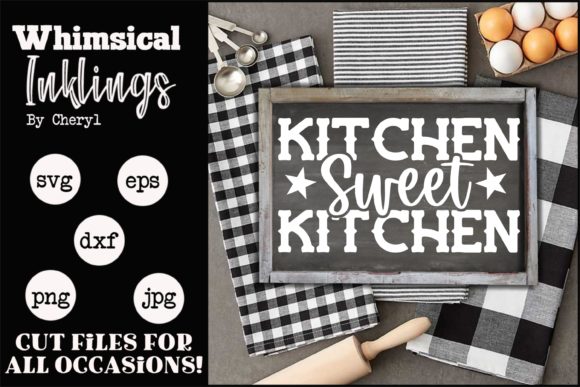
Kitchen Sweet Kitchen immediately evokes a sense of comfort and familiarity. The illustration has a soft, hand-drawn feel that suggests a homey, personal touch. It’s the kind of design that feels right at home on a kitchen sign, a wall hanging, or even a personalized gift. The layout is clean and well-balanced, making it easy to adapt to various embroidery formats.
The visual personality of Kitchen Sweet Kitchen leans toward traditional home decor. It’s not overly complex, but it has enough detail to make a statement without overwhelming the viewer. This makes it ideal for projects that aim to be both functional and decorative.
Real-Life Embroidery Scenarios: Where It Fits Best
Imagine you're preparing a custom embroidered tote bag for a client who wants something unique and meaningful. Kitchen Sweet Kitchen could easily become the centerpiece of that design. The scale and style of the illustration make it suitable for larger items like tote bags, sweatshirts, or pillow covers. It also works well as an embroidered patch or apron design.
For small business owners and Etsy sellers, this design could be a great addition to a collection of kitchen-themed products. It’s perfect for handmade items that are meant to be sold as gifts or home decor. The simplicity of the illustration also makes it a good candidate for printable mockups or digital product previews.
When used in commercial embroidery projects, Kitchen Sweet Kitchen can add a touch of personality to branded merchandise. It’s versatile enough to work on both casual and semi-formal apparel, making it a valuable asset for craft businesses looking to expand their offerings.
Where to Be Cautious: Design Limitations and Practical Considerations
While Kitchen Sweet Kitchen is visually appealing, there are some limitations to consider. For instance, if you're working with small hoop sizes, this design might be too large to fit comfortably. You may need to adjust the size or split the design into sections, which could affect the overall look and stitching time.
On textured fabrics or thin, stretchy materials, the details of the design might not come through as clearly. It’s important to test the design on scrap fabric before committing to a final project. Similarly, if you're planning to embroider on dark fabric, you’ll want to ensure that the thread colors contrast well with the background.
For baby items or delicate garments, the stitch density and placement of the design should be carefully reviewed. Tiny lettering or intricate details might not hold up well on frequent-washed items. If you're planning to use this as a baby embroidery design, make sure the stitches are secure and the fabric is appropriate for sensitive skin.
Impact on Visual Appeal and Customer Perception
Kitchen Sweet Kitchen has the potential to elevate the visual appeal of any embroidery project. Its clean lines and warm theme can make a finished product stand out, especially in a market saturated with generic designs. When presented well, it can enhance the perceived value of handmade products and increase customer trust in your brand.
For creative entrepreneurs and crafters, this design can help build a consistent brand identity. Whether you're selling on Etsy or at a local craft fair, having a recognizable design element like Kitchen Sweet Kitchen can make your products more memorable. It also adds to the giftability of your items, as the theme is universally appealing and easy to relate to.
Practical Designer Notes: Things to Check Before Using
Before using Kitchen Sweet Kitchen in any project, always test the design on scrap fabric. This helps you understand how the stitches will look on different materials and whether the design needs adjustments. Pay close attention to thread color contrast—especially if you're planning to use it on dark or light backgrounds.
Review the stitch density to ensure it’s appropriate for the fabric you're using. If the design is too dense, it might cause puckering or stiffness. Confirm the hoop size required for the design, and make sure your machine can accommodate it. For detailed corners or tiny elements, check that the design remains clear and legible after stitching.
If you're using this as a digital embroidery file, test it in black and white mockups to see how it looks without color. Also, confirm that the design is suitable for both personal and commercial use, and check the licensing terms before selling finished items or digital products.
Final Thoughts: A Versatile Design with Room for Growth
Kitchen Sweet Kitchen is a solid choice for designers looking to add a cozy, kitchen-themed element to their embroidery projects. It’s well-suited for a variety of applications, from custom apparel to home decor. However, like any design, it requires thoughtful consideration to ensure it meets the needs of your specific project and audience.
Whether you're an Etsy seller, a small shop owner, or a hobbyist, Kitchen Sweet Kitchen offers a practical and appealing option for your next embroidery endeavor. With proper testing and attention to detail, it can become a valuable part of your design assets and help you create beautiful, lasting pieces for your customers.