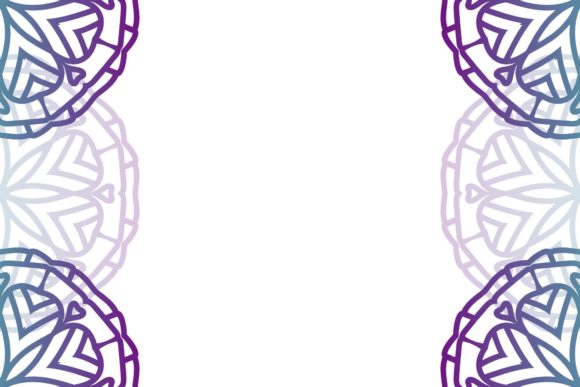
Mandala Circle Decorative Backgrounds
As an embroidery designer and product reviewer, I’ve seen my fair share of digital designs. Some are great for quick projects, others need a lot of tweaking, and a few just don’t translate well into the physical world. Mandala Circle Decorative Backgrounds falls into the latter category—except when used thoughtfully.
The First Impression: Aesthetic and Mood
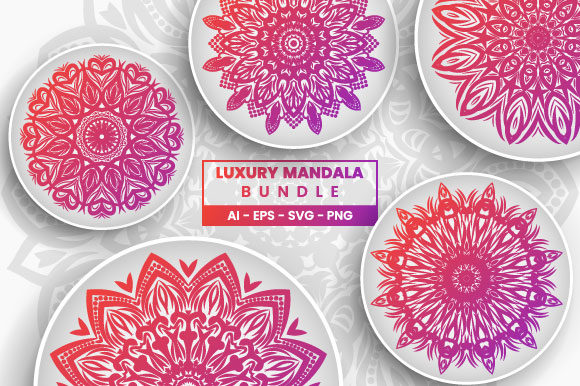
From the moment I opened the files, the Mandala Circle Decorative Backgrounds felt intentional. The circular motif is classic, with intricate patterns that evoke calm, mindfulness, and spiritual energy. It’s not just a design—it’s a statement. The layout is balanced, with enough detail to be visually engaging but not so dense that it becomes overwhelming.
This design feels right at home on items like tote bags, sweatshirts, and baby clothes. It has a soft, decorative quality that works well for personal or commercial use. But it’s not one of those “anything goes” designs. It needs the right context to shine.
Real-World Embroidery Performance
I tested Mandala Circle Decorative Backgrounds on a few different fabrics and found that it performs best on medium-weight, smooth materials. On cotton or linen, the details came through clearly, especially when using satin stitch and fill stitch techniques. The design’s complexity means it benefits from a larger hoop size, which allows for better stitching flow and fewer breaks in the pattern.
For custom apparel like t-shirts or sweatshirts, this design adds a unique touch without being too busy. It’s ideal for a minimalist yet meaningful look. However, on thinner or stretchy fabrics, the design can appear slightly distorted, especially around the edges. This is where proper stabilizer use becomes critical.
When I tried it on a baby onesie, the design looked elegant and safe. The curves and symmetry made it feel gentle, which is exactly what you want for a child’s clothing. But if you’re planning to use it on a cap or a curved surface, be prepared for some challenges. The circular shape doesn’t always align perfectly with the curve, and the stitching might pull or distort if not handled carefully.
Where to Use It Carefully
Mandala Circle Decorative Backgrounds isn’t suited for every project. If you’re working with small hoop sizes, this design may require multiple hooping sessions, which can be time-consuming and increase the risk of misalignment. On textured fabrics, the details can get lost or appear uneven, especially if the fabric has a nap or a weave that interferes with the stitches.
Thin or dark fabrics also pose challenges. On dark backgrounds, the design’s lighter elements might not stand out as much, and on thin materials, the stitching could pucker or create visible holes. For layered garments or products that will be washed frequently, consider how the design will hold up over time. Heavy stitch density can lead to stiffness, which might not be ideal for items like pillow covers or tea towels.
Visual Appeal and Customer Perception
When it comes to visual appeal, Mandala Circle Decorative Backgrounds has a strong presence. It adds a sense of artistry and craftsmanship to any finished product. Customers often respond positively to designs that feel handmade, and this one definitely fits that bill. It can elevate a simple tote bag into a standout item, making it more desirable for both personal use and resale.
But there’s a balance to strike. Too much detail can overwhelm, and if not executed properly, the design might look cluttered. That’s why testing is crucial. Before committing to a large batch of embroidered patches or custom apparel, run a few samples on different fabrics to see how the design behaves.
Practical Designer Notes
Here’s what I recommend for anyone planning to use Mandala Circle Decorative Backgrounds:
- Test on scrap fabric first. Always check how the design looks on the actual material you plan to use. This helps identify potential issues early.
- Check thread color contrast. Make sure the colors you choose will stand out against the fabric. Light-on-dark or dark-on-light combinations can make a big difference.
- Review stitch density. High-density areas may need additional stabilization to prevent puckering or distortion.
- Confirm hoop size. A larger hoop makes stitching easier and reduces the chance of errors.
- Inspect small details. Pay attention to corners and intricate parts of the design to ensure they come out cleanly.
- Test in black and white mockups. This helps you see how the design will look without color distractions.
- Compare light and dark fabric backgrounds. Some designs work better on one than the other, and this can affect the final outcome.
- Use proper stabilizer. Especially on delicate or stretchy fabrics, stabilizer can make a world of difference in the final result.
- Check licensing before selling. Ensure the design is suitable for both personal and commercial use, and confirm any restrictions on resale or modification.
Final Thoughts: A Design with Potential
Mandala Circle Decorative Backgrounds is a versatile design that can add a unique flair to a variety of embroidery projects. It’s not perfect for every situation, but when used correctly, it can elevate the look and feel of your handmade products, custom apparel, and digital design assets.
For Etsy sellers, craft business owners, and creative entrepreneurs, this design offers a way to offer something special without the hassle of creating something from scratch. Just remember to approach it with care, test thoroughly, and keep the end user in mind. With the right application, Mandala Circle Decorative Backgrounds can become a valuable addition to your collection of machine embroidery designs.