Ornament Decorative Review
As an embroidery designer and product reviewer, I’ve evaluated countless machine embroidery designs. Ornament Decorative stands out for its versatility and visual appeal, but like any design, it has specific use cases where it shines and others where caution is needed. This review covers how the design performs in real-world projects, what to watch for, and where it fits best in your creative workflow.
First Impressions: A Design That Speaks Volumes
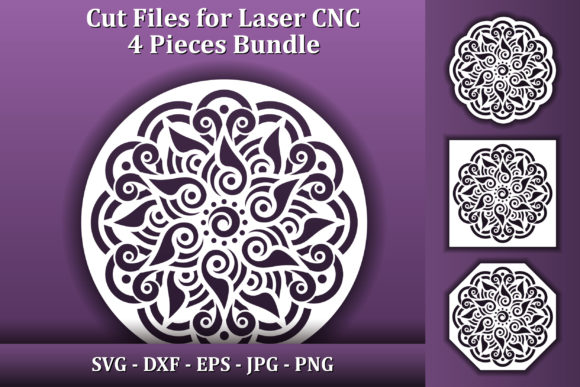
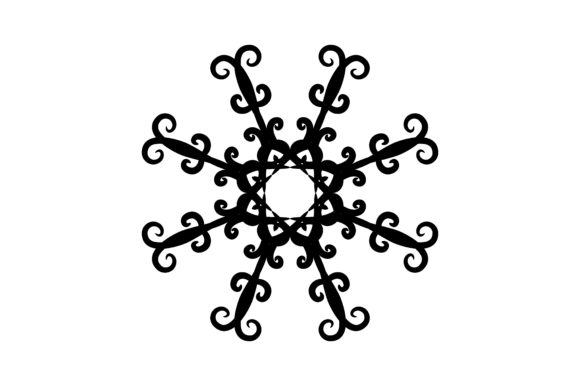
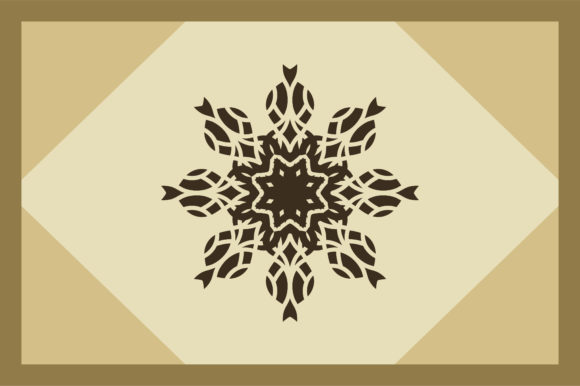
Ornament Decorative immediately catches the eye with its intricate patterns and elegant layout. The design feels classic yet modern, making it suitable for a wide range of applications. Its symmetry and balance suggest a refined aesthetic that could work well in both traditional and contemporary settings.
The level of detail is impressive—enough to make a statement without overwhelming the fabric. It’s ideal for projects that require a touch of sophistication, such as custom apparel, home decor, or personalized gifts. The design’s structure makes it easy to adapt to different sizes and formats, which is a big plus for designers looking for flexibility.
Real-World Use Cases: Where Ornament Decorative Fits Best
Imagine you’re working on a custom embroidered tote bag for a client who wants something unique for their boutique. Ornament Decorative would be a great fit—its size and detail are perfect for a medium-sized hoop. The design adds visual interest without being too busy, making it ideal for a statement piece that still looks clean and professional.
For a sweatshirt embroidery project, the design works well on light-colored fabrics where the details can pop. It’s also a solid choice for baby items, such as onesies or blankets, where a soft, decorative motif can add a personal touch. The design’s scale makes it suitable for patches, aprons, and even pillow covers, where it can serve as a focal point.
In the realm of holiday or wedding gifts, Ornament Decorative offers a timeless quality that resonates with buyers. It could be used as a decorative element on gift boxes, cards, or even as part of a printable mockup for digital product sellers. Its adaptability makes it a valuable addition to any designer’s library of embroidery files.
Where to Be Cautious: Limitations and Considerations
While Ornament Decorative is versatile, there are some scenarios where it may not perform as well. For instance, on small hoop sizes, the design might feel cramped, especially if the details are too fine. It’s important to test the design on scrap fabric before committing to a final project.
On textured or stretchy fabrics, the design may not stitch as smoothly. The stitch density and type (such as satin or fill stitches) can affect how the design sits on the fabric. If you're planning to use it on dark fabrics, consider how the thread colors contrast with the background. Some details may fade or blend in, reducing the overall impact.
For curved surfaces like caps or hats, the design might need slight adjustments to ensure it lies flat and doesn’t distort. Tiny lettering or detailed corners can be challenging, so it’s worth checking the design’s clarity at different scales. If you're using it as a decorative accent, make sure it complements the rest of the design rather than competing with it.
Impact on Visual Appeal and Customer Perception
Ornament Decorative enhances the visual appeal of any project it’s used on. Its intricate details add depth and character, which can elevate a simple handmade product into something more special. When used correctly, it can significantly increase the perceived value of a finished product, making it more desirable to customers.
From a branding perspective, the design helps maintain consistency across different products. Whether it’s a custom apparel item or a craft fair booth display, Ornament Decorative can serve as a recognizable element that reinforces your brand identity. It also boosts buyer engagement by offering a visually appealing option that stands out in a crowded market.
For Etsy sellers or small shop owners, this design can be a reliable asset. Its versatility means it can be used across multiple product lines, from clothing to home decor. It also works well as part of a printable mockup or digital product preview, helping you showcase your work effectively.
Practical Designer Notes: Tips for Success
Before using Ornament Decorative in a project, always test it on scrap fabric. This helps identify any issues with stitch density, thread color contrast, or fabric compatibility. Pay attention to how the design looks in black and white mockups—it can reveal hidden details that might not be obvious in color.
Check whether the design works on both light and dark fabric backgrounds. Some elements may not show up clearly on certain colors, so adjusting the thread colors or design layout might be necessary. Use the right stabilizer for the fabric type to prevent puckering or distortion.
If you’re planning to sell finished items or digital products, confirm the licensing terms. While the design seems to be intended for multiple uses, it’s always good to double-check the terms before incorporating it into your commercial work. For applique designs or layered garments, make sure the design is compatible with the stitching method you’re using.
Final Thoughts: A Versatile Choice for Creative Projects
Ornament Decorative is a strong contender for designers looking for a flexible, visually appealing embroidery file. It works well in a variety of applications, from custom apparel to holiday gifts, and its elegance makes it suitable for both personal and commercial use.
Like any design, it requires thoughtful application to achieve the best results. But when used correctly, it can enhance the quality and appeal of your handmade products, making it a valuable addition to your design collection.